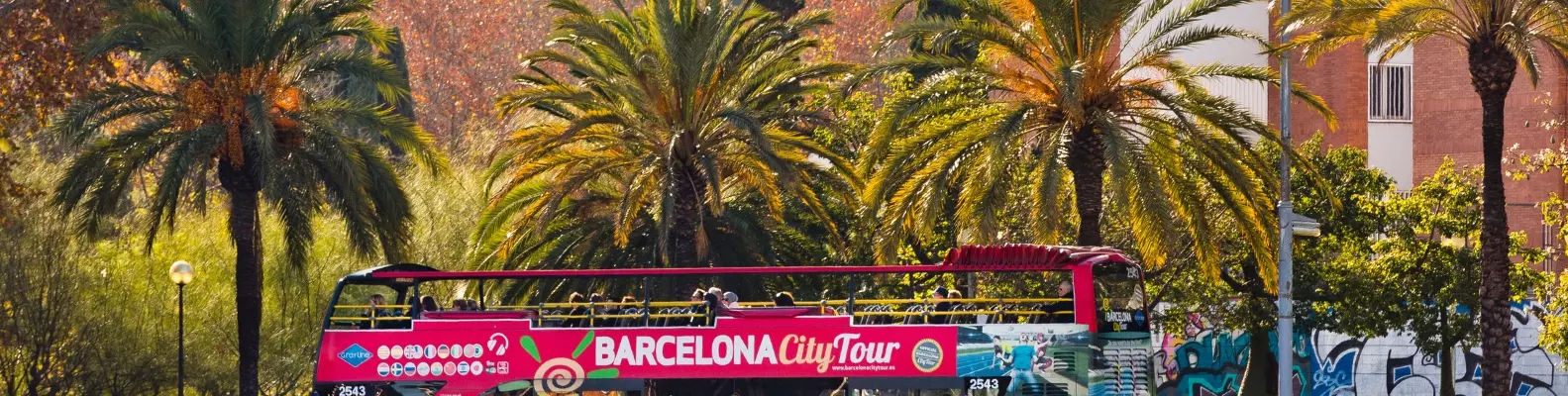




The CaixaForum – Mies van der Rohe Pavilion stop, included in one of Barcelona City Tour's routes, takes you to one of the city's most important cultural and architectural areas: Montjuïc, a hill that has become one of Barcelona's main destinations for leisure, art and heritage. Here, you'll find some of the city's most iconic buildings and landmarks associated with culture, architecture and major international events.
What is CaixaForum and where is it located?
CaixaForum Barcelona is a cultural centre dedicated to promoting art, science, music and intellectual thought. It is housed in the former Casaramona textile factory, a Modernist building designed by architect Josep Puig i Cadafalch in the early 20th century. Its industrial architecture, featuring exposed brickwork, towers and ornamental details, is one of the centre's main attractions.
The building is located on Avinguda Francesc Ferrer i Guàrdia, at the foot of Montjuïc and next to Plaça d'Espanya, one of Barcelona's best-connected areas. CaixaForum hosts temporary exhibitions, family activities, concerts, lectures and cultural events for visitors of all ages.
Just a few metres away stands another icon of modern architecture: the Mies van der Rohe Pavilion, a reconstruction of the pavilion designed by architects Ludwig Mies van der Rohe and Lilly Reich for the 1929 Barcelona International Exposition. Considered one of the masterpieces of the Modern Movement, it is renowned for its use of marble, glass and steel, as well as its minimalist design and integration with the surrounding space.
How to get there
The Barcelona City Tour stop provides convenient access to this area along the Orange Route. From here, you can explore some of Montjuïc's main attractions on foot.
You can also get there by public transport using Barcelona's metro and city bus network. The nearest metro station is Espanya (L1 and L3), located next to Plaça d'Espanya.
What can you see near the stop?
This stop allows you to explore some of the most representative landmarks in Montjuïc and the surrounding area, as well as other attractions dedicated to culture, architecture and leisure. Within a few minutes' walk, you'll find historic buildings and venues that reflect the city's evolution over time.
- Arenas de Barcelona: Very close to this stop is Arenas de Barcelona, a shopping and leisure complex housed in the former Las Arenas bullring. This historic building has been transformed into a centre featuring shops, restaurants and a panoramic rooftop terrace offering views of the city and Montjuïc.
- Fira de Barcelona: Located next to Plaça d'Espanya, Fira de Barcelona is one of Europe's most important exhibition centres. Its facilities host major national and international events, including conferences, trade fairs and exhibitions. The venue is also notable for its historic pavilions and its key role in the city's economic and business activity.
- Magic Fountain of Montjuïc: Another major attraction in the area is the Magic Fountain of Montjuïc, located between Plaça d'Espanya and the Palau Nacional, home to the MNAC. Built for the 1929 International Exposition, it is famous for its water, light and music shows, which have made it one of Barcelona's most visited landmarks.
- Mies van der Rohe Pavilion: The Mies van der Rohe Pavilion is a must-see for architecture enthusiasts. Originally built as the German Pavilion for the 1929 International Exposition, it was dismantled after the event and reconstructed decades later according to the original plans. Its famous Barcelona Chair, also designed by Mies van der Rohe and Lilly Reich, has become an icon of 20th-century design.
This Barcelona City Tour stop offers an opportunity to discover everything from Modernist buildings to major international venues and some of the city's most influential architectural works. You can also continue exploring Montjuïc's cultural heritage by visiting the Joan Miró Foundation.
If you'd like to extend your visit, you can also discover more things to see in Barcelona and plan your route around the city's main attractions.
Frequently asked questions
How much time should you spend at this stop?
We recommend allowing between one and two hours to visit CaixaForum, the Mies van der Rohe Pavilion and explore the main nearby attractions in Montjuïc.
Do you need to book tickets to visit CaixaForum and the Mies van der Rohe Pavilion?
Admission requirements depend on the activity or exhibition you wish to visit. Some events may require advance booking, so we recommend checking the programme before your visit.
Is the area accessible for people with reduced mobility?
Yes, both CaixaForum and the nearby public spaces have accessible entrances and facilities, although some areas of Montjuïc have slopes due to the hill's natural terrain.


