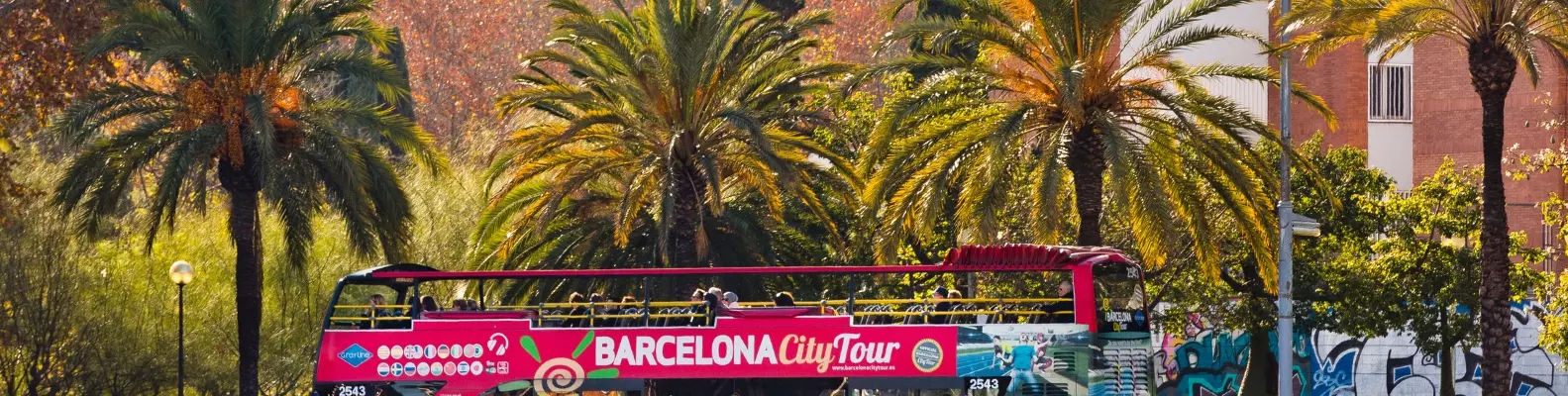




Among the most special cultural attractions you can discover along the Orange Route of the Barcelona City Tour is the Fundació Joan Miró, a must-visit destination for exploring the creative world of one of Catalonia's most internationally renowned artists. Located on Montjuïc hill, this stop combines art, architecture and some of the best views of Barcelona.
Thanks to the sightseeing bus's hop-on hop-off service, you can get off at this stop to explore the foundation at your own pace before continuing your journey to other highlights of the city.
A museum to discover the world of Joan Miró
The Fundació Joan Miró is a museum dedicated to preserving, studying and promoting the work of Joan Miró, one of the leading figures in 20th-century art. The artist himself initiated the creation of this space with the aim of bringing contemporary art closer to the public and establishing a place where his works could coexist with architecture and the surrounding landscape.
The building was designed by architect Josep Lluís Sert, a personal friend of Miró and one of the leading representatives of Catalan rationalist architecture. Its open spaces, interior courtyards and large windows allow natural light to become an integral part of the visitor experience.
Inside, you'll find an extensive collection of paintings, sculptures, drawings, ceramics and other works spanning the different stages of Miró's artistic career. The foundation also organises temporary exhibitions, cultural activities and educational programmes related to modern and contemporary art.
Where is the Fundació Joan Miró located?
The Fundació Joan Miró is located in Parc de Montjuïc, in an elevated area offering views of some of Barcelona's most characteristic landscapes. Its location makes it easy to combine a visit to the museum with a walk through one of the city's main green and cultural spaces.
Montjuïc is home to some of Barcelona's most important buildings, gardens and facilities and, like Park Güell, offers the opportunity to discover an area away from the historic city centre and enjoy outdoor spaces with a distinctive character.
How to get to the Fundació Joan Miró
The most convenient way to reach the Fundació Joan Miró is by taking the Orange Route of the Barcelona City Tour. The sightseeing bus allows you to plan your visit flexibly, hopping on and off as often as you like during the validity of your ticket.
Along the way, you can also discover other highlights of Barcelona thanks to the multilingual audio guide and enjoy services such as onboard WiFi and real-time bus tracking through the City Tour App.
You can also reach Montjuïc by public transport from the Plaça d'Espanya area and continue on foot to the foundation.
What can you see near the Fundació Joan Miró?
A visit to the Fundació Joan Miró also offers the chance to discover some of the most iconic landmarks on Montjuïc hill. This area brings together sports facilities, contemporary architecture and leisure spaces, many of which are concentrated around the Olympic Ring. These landmarks form part of Barcelona's recent history, reflecting its connection with the 1992 Olympic Games and the city's cultural heritage.
- Olympic Stadium: The Lluís Companys Olympic Stadium is one of Montjuïc's most iconic landmarks. Originally built for the 1929 International Exposition and renovated for the 1992 Barcelona Olympic Games, it hosted the main ceremonies and competitions of this major international sporting event. Today, it continues to host sporting events, concerts and large-scale performances.
- Institut Nacional d'Educació Física de Catalunya (INEFC): The Institut Nacional d'Educació Física de Catalunya (INEFC) is an institution dedicated to education, research and knowledge sharing in the fields of physical activity and sport. Its building, designed by architect Ricardo Bofill, stands out for its distinctive architecture and its integration into Montjuïc's Olympic complex.
- Palau Sant Jordi: Palau Sant Jordi is one of Barcelona's most renowned indoor arenas. Designed by Japanese architect Arata Isozaki for the 1992 Olympic Games, it is notable for its innovative structure and capacity to host large-scale events. Today, it regularly hosts concerts, sporting competitions, shows and major celebrations, making it one of the city's leading event venues.
- Poble Espanyol: Just a few minutes from the foundation is Poble Espanyol, a complex built for the 1929 Barcelona International Exposition to showcase the architecture, craftsmanship and culture of different regions of Spain. Its streets, squares and buildings recreate a small village where craft workshops, shops, restaurants and cultural activities come together, offering a unique experience as part of your visit to Montjuïc.
Frequently asked questions
How long does a visit to the Fundació Joan Miró take?
The recommended duration depends on each visitor's interests, but a visit of approximately one hour allows you to explore the main galleries and discover the museum's most important works.
Does the Fundació Joan Miró organise activities in addition to exhibitions?
Yes, the museum offers a cultural programme that includes workshops, family activities, guided tours and events related to contemporary art.
Can you combine your visit with other attractions in Montjuïc?
Yes. The foundation's location makes it easy to plan a walking route around Montjuïc and include other nearby attractions such as gardens, museums, sports facilities and buildings connected to Barcelona's history.


