.png)


Content updated in July 2026 🤓
Did you know that traveling all over Spain in a single day is possible?
Located in the heart of Barcelona, Poble Espanyol is more than just a tourist spot: it is a journey through the cultural diversity of Spain. This picturesque village recreates the architecture and atmosphere of different regions of Spain through more than 100 replicas of the most iconic corners of the country.
This magical place in Barcelona offers a variety of experiences all year round that suit all audiences and all ages. Here are some ideas of what to see and do in Barcelona’s Poble Espanyol .
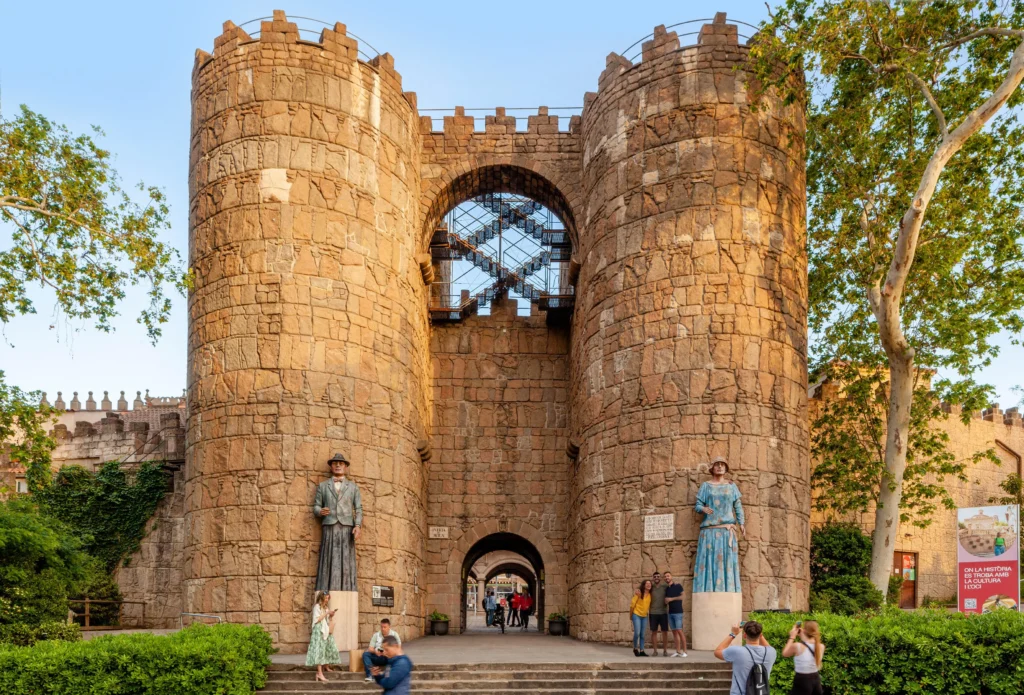
Un poco de historia…
Francesc Folguera y Ramón Reventós crearon este espacio con motivo de la Exposición Internacional de Barcelona en 1929. La intención era reproducir a escala real edificios, plazas y calles de todo el territorio español. Escogieron estos lugares tras visitar 1.600 poblaciones de la Península. Poble Espanyol también rinde homenaje a la artesanía. Si visita este espacio podrá ver 18 artesanos trabajando in situ.
El Museo Fran Daurel y el Espacio Guinovart ponen el toque artístico. El primero recoge lo mejor del arte contemporáneo español con obras de autores como Dalí, Picasso y Miró. En el Espacio Guinovart se celebran distintas exposiciones temporales.
¿Prefieres disfrutar del arte al aire libre? Descubre el Jardín Escultórico, un espacio donde además de esculturas podrá disfrutar de las vistas de Barcelona desde su mirador.
A unique setting: 116 buildings, the whole of Spain
Built for the 1929 Barcelona International Exposition, Poble Espanyol was born from an epic journey: its creators travelled to more than 1,600 towns and villages across Spain to bring together the very best of the country’s architecture in a single venue. The result is four distinct areas that literally transport you from one part of Spain to another:
- Central Area (Plaza Mayor): the heart of the venue, featuring architecture inspired by Castile and Madrid. It is the centre of Poble Espanyol’s events, concerts and social life.
- Northern Area: a journey through Green Spain, with corners inspired by the Camino de Santiago and an authentic Basque farmhouse built from stone and wood.
- Southern Area: whitewashed streets, traditional Cordoban courtyards and the Church of Santa María, featuring Mudéjar architecture. This is also where you will find Tablao de Carmen, the perfect place to experience authentic flamenco.
- Mediterranean Area: home to the Monastery of Sant Miquel, a jewel of Catalan Romanesque architecture offering one of the finest panoramic views of Barcelona. Few tourists make it this far, but you should not miss it.
Set aside at least 2–3 hours to explore and enjoy everything at a relaxed pace.
1. Central Zone ( Main Square): the heart of Poble Espanyol
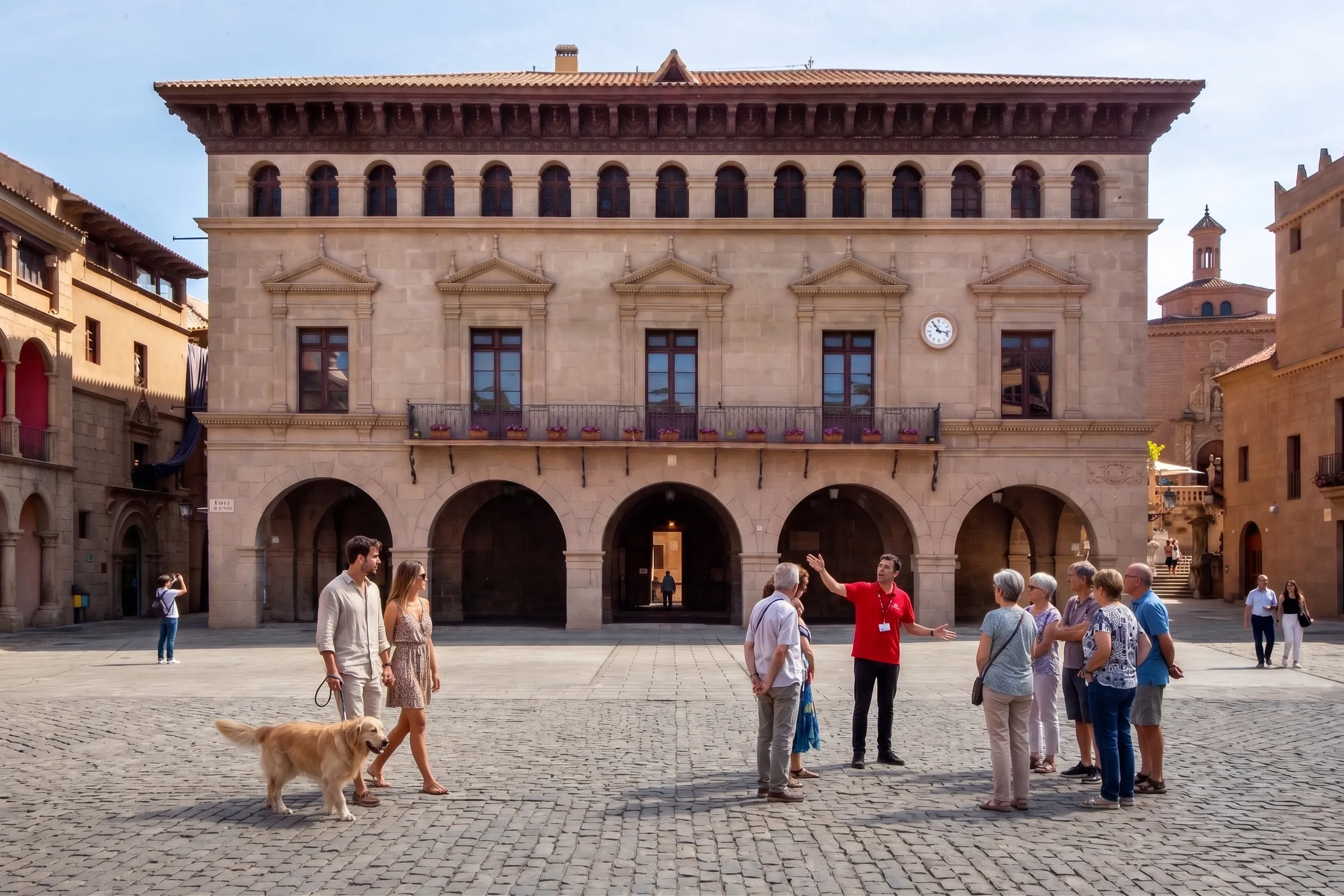
As soon as we walk in, we find the central area. This zone offers great views of the typical architecture of inland Spain, representing the areas of Castilla La Mancha, Castilla y León, Madrid and Extremadura.
One of the most famous and favorite spots for visitors is the Main Square, the vibrant heart of Poble Espanyol. Here, you can’t miss photographing the colorful stalls of the artisan market and its little streets covered with colorful umbrellas, where you can appreciate the fine work of local artisans who bring this place to life.
2. Northern Zone: Aragon, La Rioja, Cantabria, Asturias, Basque Country and Galicia.
We will now head towards the Northern Zone, where we will experience the cultural beauty of the regions of Aragon, La Rioja, Cantabria, Asturias, the Basque Country and Galicia.
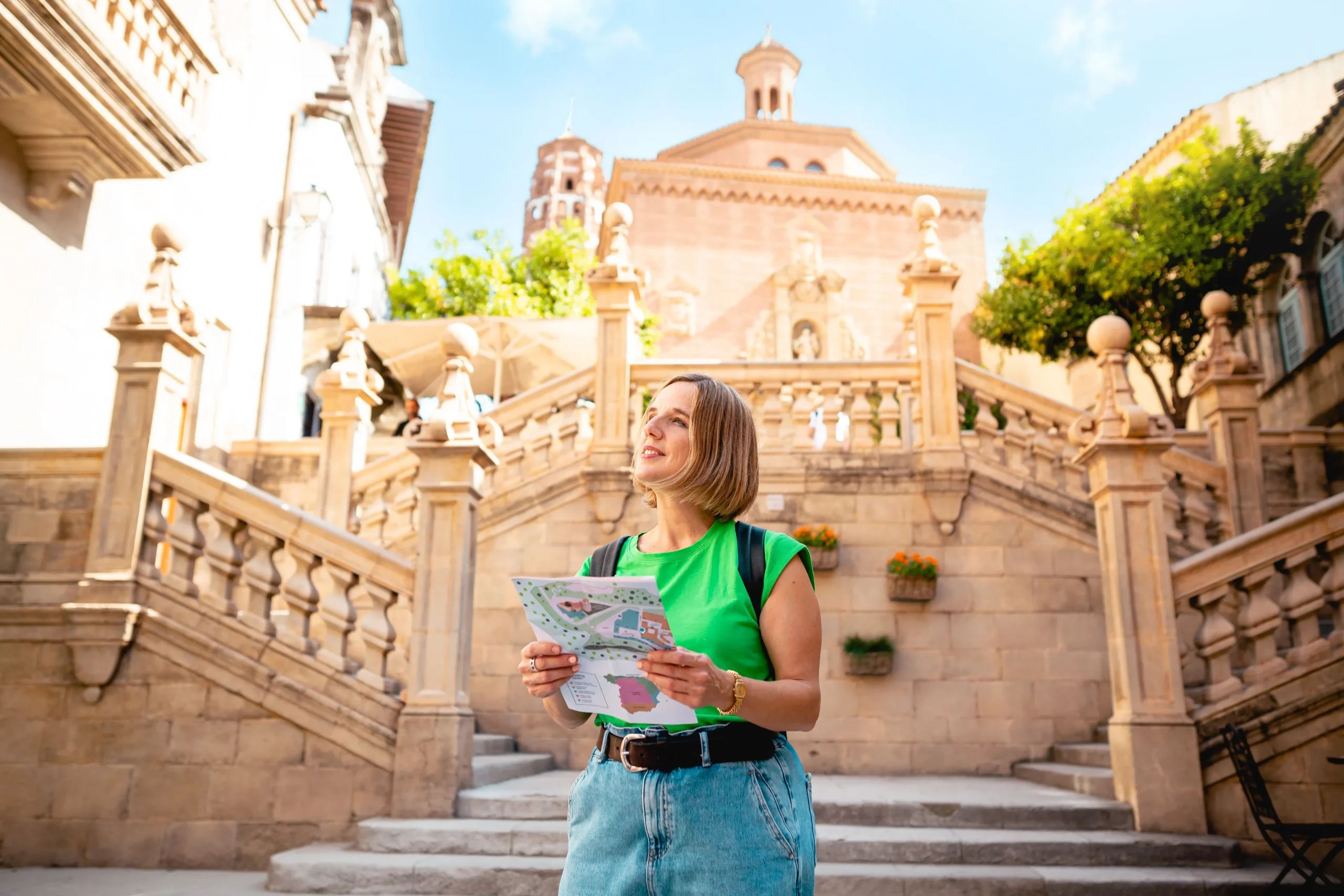
If you are a hiking enthusiast, you’ve surely heard of the famous Camino de Santiago. If so, you will be happy to know that Poble Espanyol offers you the opportunity to live a small experience on this route, without leaving Barcelona.
Along the route within the North Zone, you can admire replicas of emblematic points of the Camino de Santiago, such as the Plaza del Obradoiro in Santiago de Compostela, the church of Santa Maria del Camino in Leon, or the Puente La Rabia in Burgos.
3. Southern Zone: Seville, Granada, Cordoba and Murcia.
The Southern Zone of Poble Espanyol immerses you in the magic of Andalusia, where you can feel the coziness of the south and lose yourself in its white streets, its flowery courtyards and its traditional crafts. This area features the typical architecture of Seville, Granada, Cordoba and Murcia.
Here are some of the must-sees on your visit to this area:
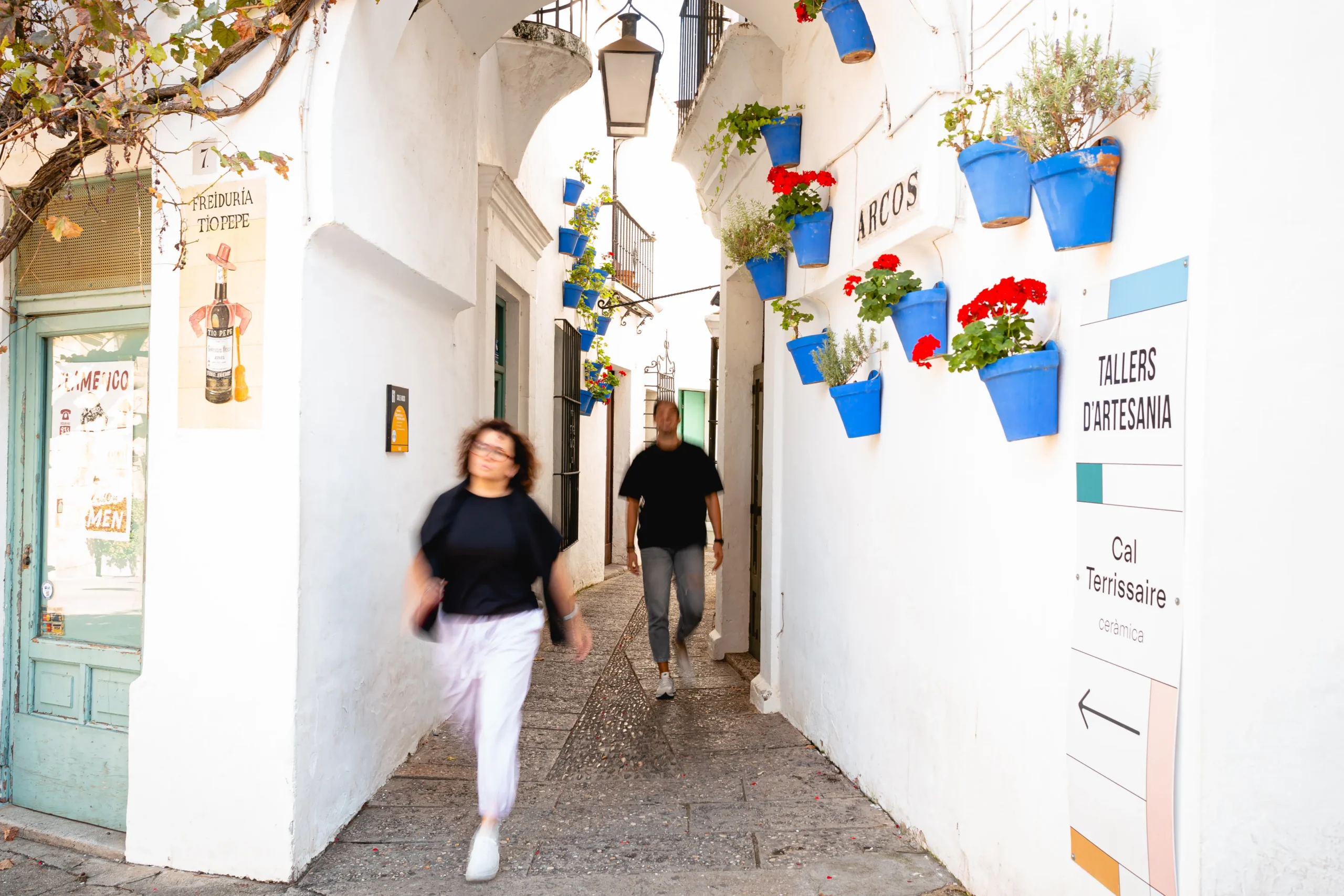
- Church of Santa Maria: Contemplate the Church of Santa Maria, a replica of a Mudejar church from the 14th century. Its brick facade and bell tower are characteristic elements of Andalusian architecture.
- Museum of Contemporary Art: Visit the Museum of Contemporary Art located in the southern part of Poble Espanyol. Enjoy a collection of art from the post-war period to the present day.
- Cooking workshops: Participate in a cooking workshop and learn how to prepare typical Andalusian dishes. Taste paellas, flamenquines or tortillas from Sacromonte.
- Flamenco shows: Enjoy an unforgettable meal at the Tablao de Carmen, enjoying a traditional show with dancing, singing and guitar playing.
4. Mediterranean Zone: Catalonia, Balearic Islands and Valencia.
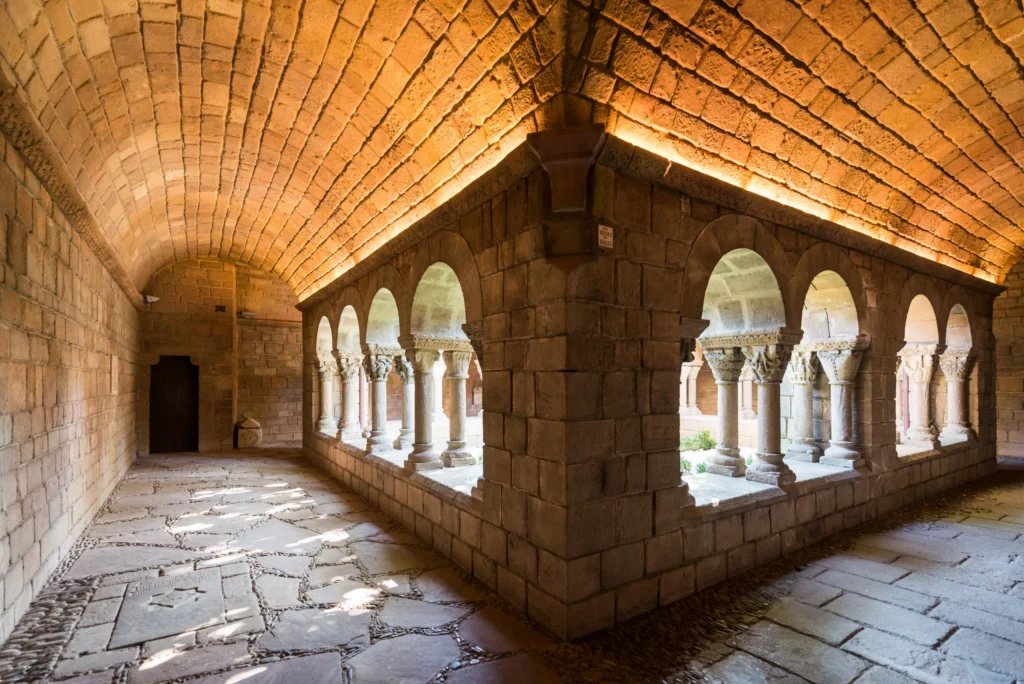
The Mediterranean Zone of Poble Espanyol takes you to explore the modern and avant-garde Barcelona, the beauty of the Valencian community and the typical architecture of the Balearic Islands.
We recommend a visit to the Monastery of Sant Miquel, a Romanesque-style chapel, whose esplanade offers wonderful panoramic views of Barcelona. Many visitors do not make it to the monastery as it is somewhat remote; however, we encourage you to do so as there are usually few people and the views are more than worth it.
Beyond the façades: activities for everyone
Poble Espanyol is not just a place to see; it is a place to experience. Here are some of the activities that make it truly special:
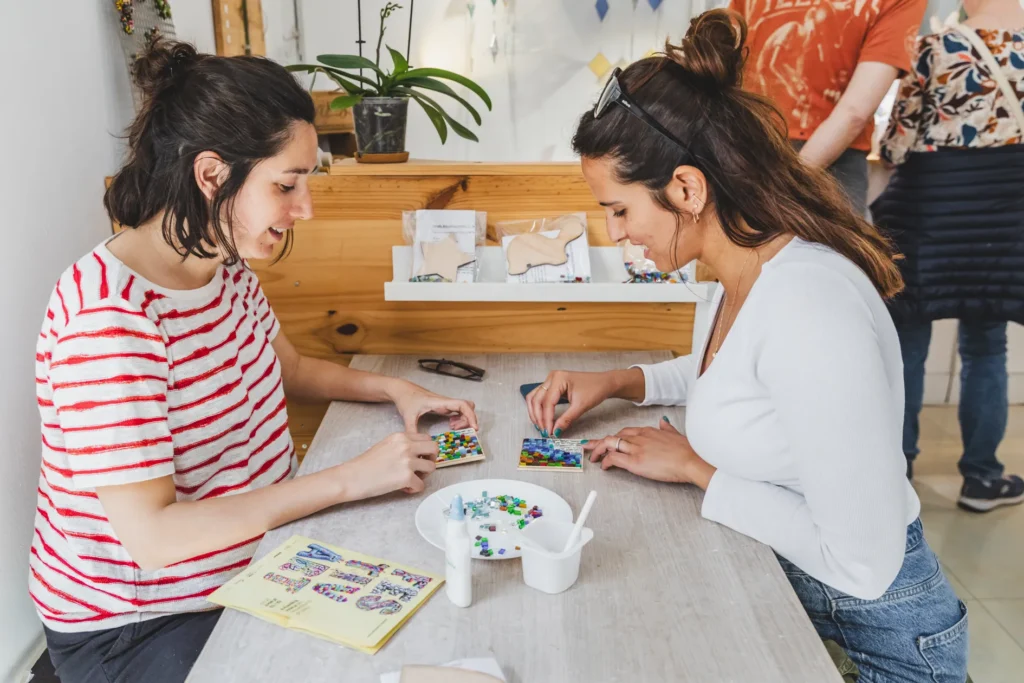
- Craft workshops: the venue is home to more than 20 local artisans working live. You can watch them, speak with them and take part in workshops to create your own ceramic piece, trencadís mosaic or scented candle, among many other options. It is the most important showcase of traditional crafts in Barcelona.
- Family scavenger hunt – Archaeological Adventure: children receive an explorer’s kit and solve clues throughout the venue, with stops at giant slides along the way. Designed for children aged 4 to 12, it is culture disguised as an adventure.
- Food and drink workshops: learn how to prepare authentic bravas sauce, master the art of drinking from a traditional porrón or make the perfect sangria. These short, hands-on workshops include a tasting.
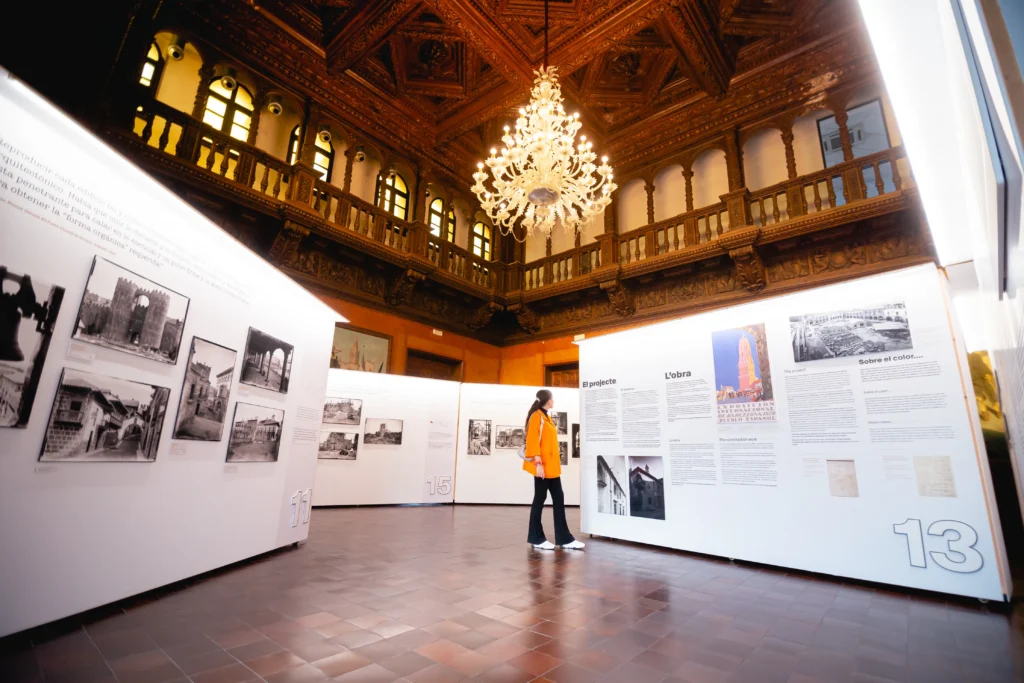
- Art without the queues: your admission ticket includes access to the Fran Daurel Foundation, home to more than 300 original works by artists such as Picasso, Dalí, Miró and Tàpies, as well as the open-air Sculpture Garden, where you can stroll among sculptures while enjoying views that very few visitors know about.
- Guided tour with an aperitif: a 60-minute tour covering the venue’s main highlights, followed by an aperitif on the terrace of La Font de Prades. Available at weekends from €21.50.


How to get from Barcelona to Poble Espanyol?
Getting to the heart of Montjuïc is easy with Barcelona City Tour’s official Hop-On Hop-Off sightseeing bus.
- Board the Orange Route from any stop in the city.
- Get off at stop 6 Poble Espanyol, located directly opposite the main entrance by the Ávila Walls.
Present your physical or digital sightseeing bus ticket at the Poble Espanyol ticket office and receive a direct 20% discount on admission.
Tell us on social media if you already visited Poble Espanyol and what was your favorite area!